From your first message to your safe return home — we handle everything, step by step.
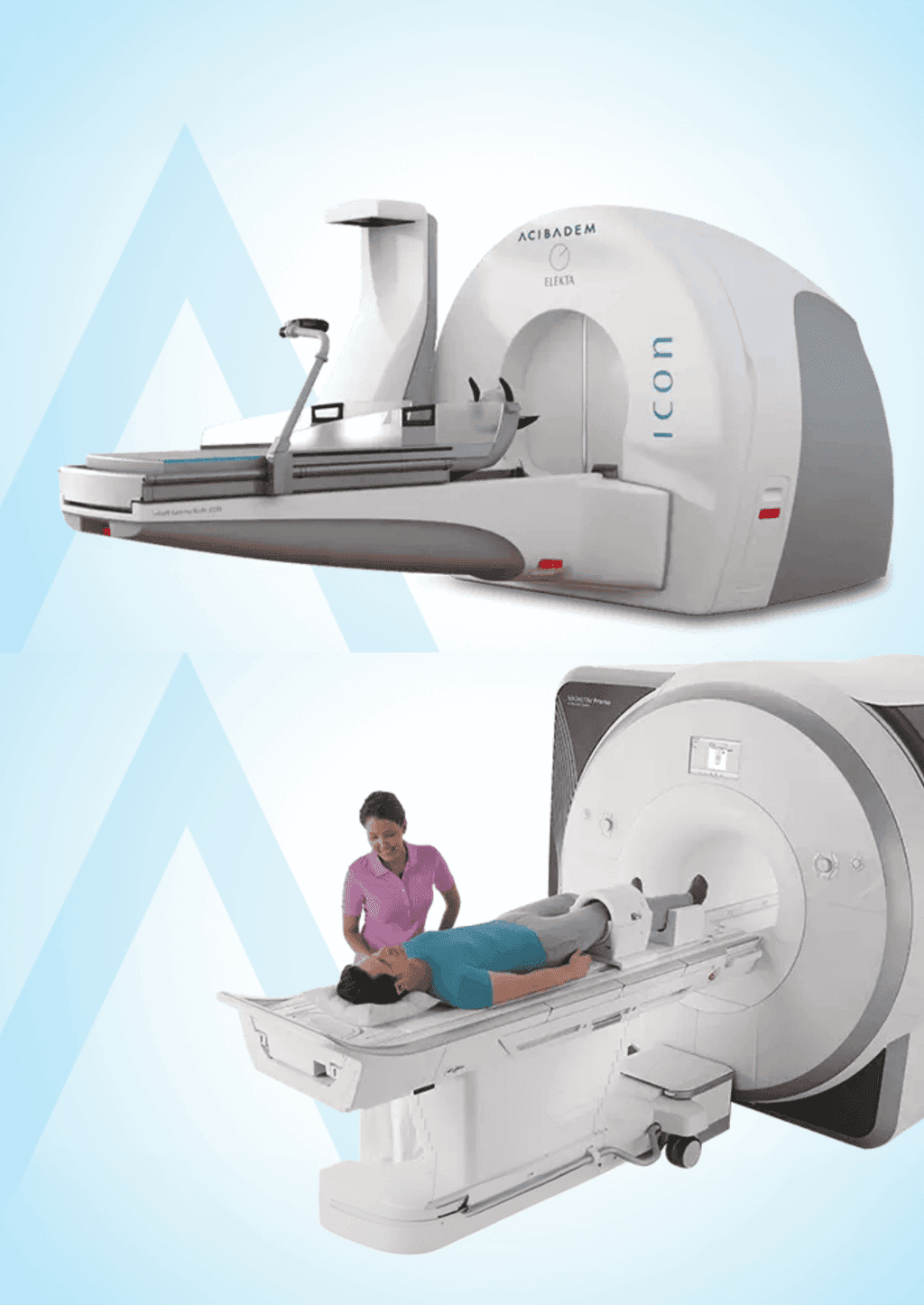
Modern medicine is evolving rapidly through the integration of advanced medical technologies, digital health solutions, artificial intelligence, and minimally invasive surgical systems.
HealBridge connects international patients with leading hospitals and specialist centers in Türkiye that use state-of-the-art medical technology to improve diagnosis, treatment, and patient outcomes.
Through our network of partner hospitals, patients can access advanced healthcare solutions including:
These innovations help physicians deliver more precise, safer, and personalized medical care while improving recovery times and overall patient experience.
Healthcare technology is transforming the way medical care is delivered. Advanced tools allow doctors to diagnose diseases earlier, perform more precise procedures, and monitor patients more effectively.
HealBridge works with hospitals that invest in cutting-edge medical technologies designed to improve both clinical outcomes and patient safety.
These innovations support:
The integration of technology into healthcare is helping create a new generation of patient-centered medical care.
Digital health solutions play an increasingly important role in modern healthcare systems.
Advanced digital platforms allow healthcare providers to improve communication, streamline medical workflows, and deliver more efficient care.
These technologies may include:
Digital health tools allow physicians to access patient information quickly and support better decision-making in diagnosis and treatment.
Modern patient monitoring systems enable healthcare professionals to track vital health indicators in real time.
These systems allow continuous monitoring of important health parameters such as:
Real-time monitoring can help detect medical complications early and allow doctors to respond quickly when changes occur.
Advanced monitoring systems are also used in home care and post-surgical recovery, allowing patients to be observed remotely after hospital discharge.
This technology helps reduce hospital readmissions and supports safer recovery.
Telemedicine has become an essential part of modern healthcare delivery.
Through secure telemedicine platforms, patients and physicians can communicate remotely using video consultations and digital medical records.
Telemedicine offers several advantages:
This technology is particularly valuable for international patients who require medical consultation before or after traveling for treatment.
Telemedicine also helps connect patients living in remote areas with highly specialized medical expertise.
One of the most significant technological advances in modern medicine is the development of robotic surgical systems.
These systems allow surgeons to perform complex operations with exceptional precision using minimally invasive techniques.
Benefits of robot-assisted surgery may include:
Robotic systems are used across multiple specialties including:
These technologies support surgeons in performing delicate procedures with improved accuracy and visualization.
Artificial intelligence (AI) is transforming medical diagnostics by helping physicians analyze large volumes of medical data quickly and accurately.
AI-supported diagnostic tools can assist doctors in evaluating:
By identifying subtle patterns in medical data, AI technologies may help detect diseases earlier and improve treatment planning.
AI-assisted diagnostics are becoming increasingly important in areas such as oncology, radiology, cardiology, and neurology.
Another growing area of healthcare innovation is wearable medical technology.
Wearable devices allow continuous monitoring of a patient's health status outside traditional healthcare settings.
Examples include:
These technologies empower patients to participate more actively in managing their own health while providing doctors with valuable real-time data.
Wearable medical technology also supports preventive healthcare and early disease detection.
Healthcare systems generate vast amounts of medical data. Medical data analytics allows healthcare providers to transform this information into valuable insights.
Advanced analytics tools help physicians:
Predictive analytics can help detect potential health problems earlier and guide preventive care strategies.
Healthcare providers can also use analytics to optimize hospital resources, improve treatment efficiency, and enhance overall patient outcomes.
Advances in healthcare technology are made possible through ongoing research, clinical trials, and collaboration between medical institutions and technology developers.
Leading hospitals continue to invest in:
These partnerships help accelerate the development of new medical solutions and bring advanced technologies into clinical practice.
Medical technology is expected to continue evolving rapidly in the coming years.
Future innovations may include:
These developments aim to make healthcare more precise, more efficient, and more accessible to patients worldwide.
HealBridge connects international patients with hospitals that combine expert medical teams with advanced healthcare technologies.
Patients benefit from:
Our mission is to help patients access advanced medical treatment supported by the latest healthcare technologies, while ensuring a smooth and supportive international care experience.