
Expert insights on medical conditions, treatments, and health tips.
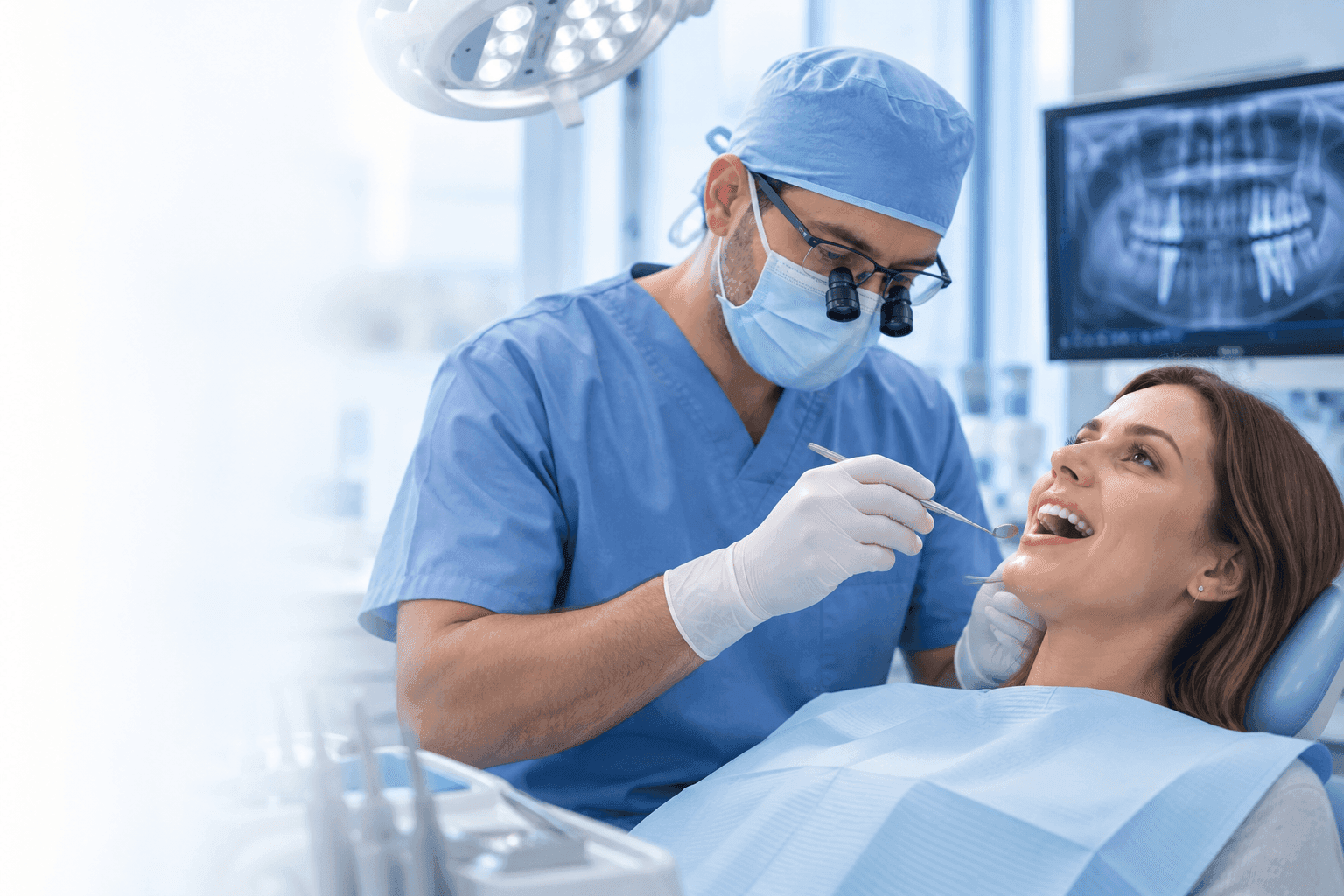
Dental implants can provide a long-term solution for replacing missing teeth, but extensive implant treatment can also represent a significant financial commitment.
For patients living in countries such as Switzerland and the UK, this has led to growing interest in receiving dental treatment abroad. Türkiye is one of the destinations considered for dental implants, full-mouth rehabilitation and complex restorative dentistry.
But price should never be the only reason to choose a dentist or clinic. Before travelling, patients should understand exactly what treatment they need, which implant system will be used, who will perform the procedure and — importantly — what happens if they need follow-up care after returning home.
A dental implant is an artificial tooth root, usually made from titanium, that is surgically placed into the jawbone.
After healing and integration with the bone, an implant can support:
Dental implants are therefore used in situations ranging from replacing a single missing tooth to reconstructing an entire upper or lower arch.
Suitability depends on several factors. A dentist or implant specialist will generally consider:
A 3D dental scan, often using CBCT imaging, may be required to assess the jawbone and surrounding anatomical structures.
Some patients do not initially have sufficient bone for straightforward implant placement.
Depending on the location and degree of bone loss, additional procedures may be considered, including:
Not every patient requires bone grafting. The need for additional procedures should be determined after appropriate examination and imaging rather than automatically included in a treatment package.
A single implant can replace one missing tooth without relying on neighbouring teeth for support.
Treatment typically involves:
The precise timeline depends on bone quality, implant stability, whether grafting is required and other clinical factors.
Patients who have lost most or all teeth in one arch may be offered full-arch implant treatment.
All-on-4 generally uses four implants to support a fixed full-arch dental prosthesis. All-on-6 uses six implants to support the restoration.
However, more implants do not automatically mean a better treatment. The appropriate number and position of implants depend on anatomy, bone availability, bite forces and the prosthetic treatment plan. The treatment should be designed for the individual patient.
You may see terms such as "Same-Day Teeth" or "Teeth in a Day".
In selected patients, a temporary fixed restoration may be placed soon after implant surgery. This is known as immediate loading.
However, it is not appropriate for everyone. The dentist needs to consider implant stability, bone quality, bite forces and other clinical factors.
Even when temporary teeth are fitted quickly, the implants still require time to integrate with the bone. A permanent restoration may therefore be fitted at a later stage.
Implant treatment frequently involves more than one stage.
First visit — this may include:
Healing period: The implants are allowed time to integrate with the bone. Healing time varies between patients.
Second visit: Once integration has been assessed, the final prosthetic stage may take place. This can involve impressions or digital scans, bite assessment, trial stages and placement of the final crown, bridge or full-arch restoration.
International patients should understand this timeline before booking flights.
This is an important question that patients sometimes overlook.
Ask for the exact:
Internationally established implant systems may make future maintenance and component replacement easier after you return home. Patients should receive documentation identifying the implants placed.
Zirconia is a ceramic material commonly used for dental crowns and bridges. It is valued for its strength and aesthetic properties.
However, choosing a dental restoration involves more than simply selecting "zirconia". The dentist also needs to consider:
This distinction is particularly important for patients researching cosmetic dentistry abroad.
Healthy teeth should not automatically be extensively prepared simply to achieve a particular cosmetic appearance.
Before agreeing to multiple crowns or veneers, ask how much natural tooth structure will need to be removed and whether a more conservative alternative is possible.
Dental treatment represents a significant out-of-pocket expense for many people living in Switzerland. For extensive procedures involving several implants, bone grafting or full-mouth reconstruction, the total cost can become substantial. This can make treatment abroad financially attractive.
However, the relevant comparison is not simply Swiss price vs Turkish price. A better comparison is: what exactly is included in each treatment plan?
Two quotations can differ because they include different implant brands, numbers of implants, prosthetic materials, bone procedures or follow-up arrangements.
The cost of implant treatment varies according to:
Healbridge therefore recommends obtaining an individual treatment plan rather than choosing treatment based on an advertised package price.
This is particularly important for patients travelling from Switzerland, the UK or elsewhere in Europe.
Before treatment, ask:
The answers should be clear before treatment begins.
Do not choose solely from before-and-after photographs on social media. Consider:
Where possible, begin with a remote case assessment.
Useful information may include:
Additional examination and imaging may still be necessary after arrival.
Healbridge helps international patients access selected healthcare providers in Türkiye. For dental treatment, the process can begin before you book your journey.
Are dental implants cheaper in Turkey than in Switzerland? Treatment costs can be considerably different between countries, but prices vary according to implant brand, complexity, prosthetic materials and additional procedures. Compare complete treatment plans rather than headline prices.
How many trips to Turkey do I need for dental implants? Many implant treatments require more than one treatment stage, with a healing period between implant placement and the final restoration. The exact schedule depends on the individual case.
What is All-on-4? All-on-4 is a treatment concept in which four implants support a full-arch fixed dental restoration. It is suitable only for appropriately selected patients.
Is All-on-6 better than All-on-4? Not automatically. The correct number of implants depends on the patient's anatomy, bone, bite and treatment plan.
Can I get permanent teeth immediately? Some patients may receive an immediate temporary restoration, but definitive treatment often requires a healing period. Your dentist should explain exactly what will be temporary and what will be permanent.
Should I choose the cheapest dental implant package? Price is only one consideration. Dentist experience, diagnosis, implant system, prosthetic quality, treatment planning and aftercare are important factors.
Can my case be assessed before travelling from Switzerland? In many cases an initial assessment can begin using existing dental X-rays, scans and medical information. An in-person examination and additional imaging may still be required.
Before comparing flights or package prices, compare treatment plans.
Send Healbridge your dental X-rays, scans or existing treatment quotation. We can help coordinate a review of your case and an individual treatment plan before you decide whether travelling to Türkiye is right for you.
Medical disclaimer: This article provides general educational information and does not constitute dental or medical advice. Suitability for dental implants and other procedures must be determined through assessment by an appropriately qualified dental professional.