
Expert insights on medical conditions, treatments, and health tips.
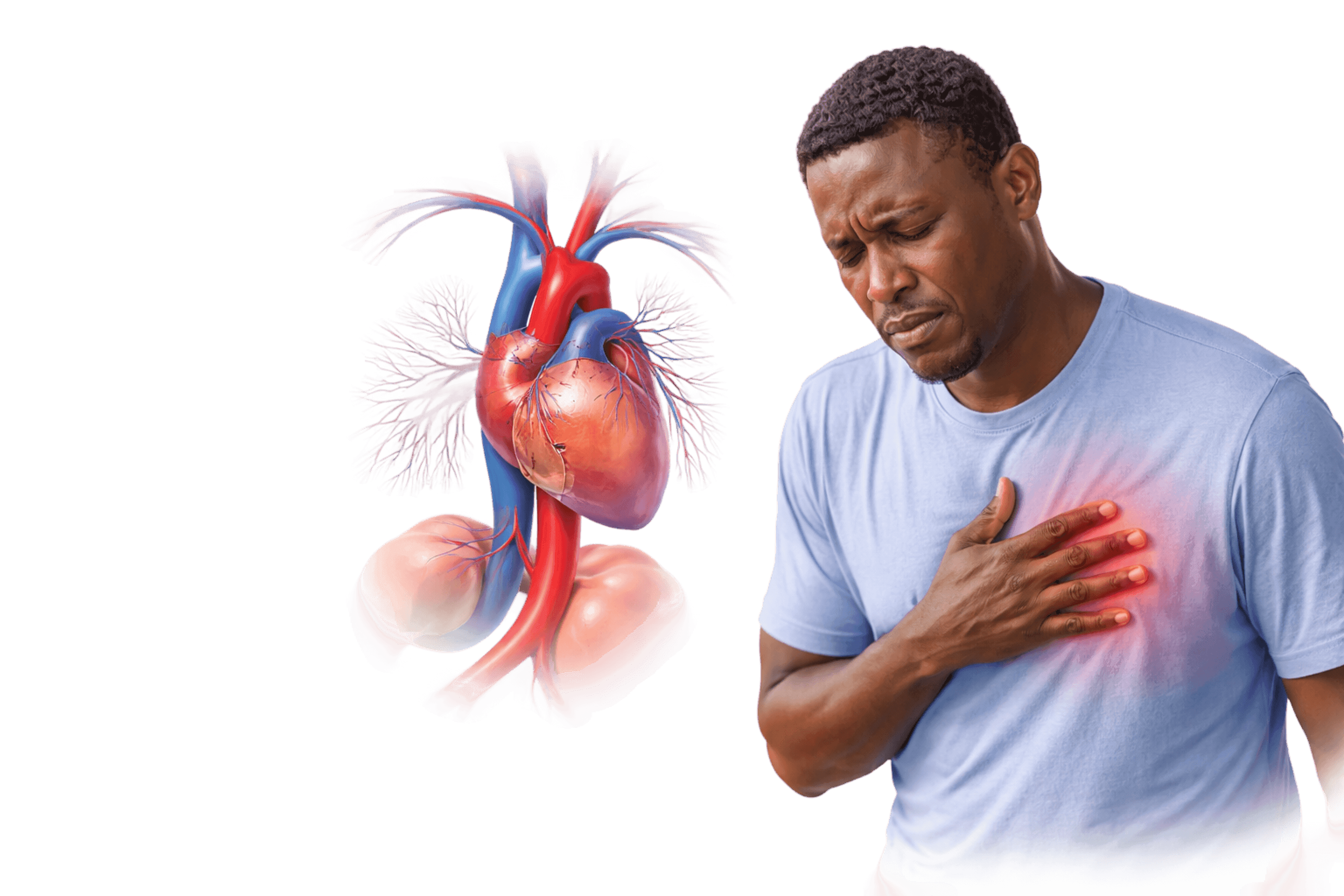
Aortic dissection combined with compartment syndrome is a rare but extremely serious medical condition. Each of these conditions alone is life-threatening—but when they occur together, they require immediate diagnosis and urgent treatment.
Understanding how these conditions develop, their symptoms, and available treatment options can help improve outcomes and save lives.
Aortic dissection occurs when a tear develops in the inner layer of the aorta, the main artery that carries blood from the heart.
This tear allows blood to flow between the layers of the artery wall, creating a "false channel" (false lumen). If untreated, it can lead to rupture, which is often fatal.
Common symptoms include:
Several factors increase the risk of aortic dissection:
Early identification of high-risk individuals is critical for prevention.
Doctors classify aortic dissection to guide treatment:
Stanford Classification:
DeBakey Classification:
Compartment syndrome occurs when pressure builds up inside a muscle compartment, restricting blood flow and damaging nerves and tissues.
Types:
Symptoms vary depending on severity, but may include:
If untreated, it can lead to permanent damage.
These two conditions are linked through impaired blood flow.
When aortic dissection reduces blood supply to a limb, it can lead to ischemia (lack of oxygen). This can increase pressure in muscle compartments, resulting in compartment syndrome.
This combination is considered a medical emergency and requires immediate intervention.
Clinical studies show that delayed diagnosis can lead to severe complications, including limb loss or death.
Recognizing symptoms early is critical.
Seek immediate medical attention if you experience:
Delays in treatment can significantly worsen outcomes.
Accurate and rapid diagnosis is essential.
Imaging techniques:
Laboratory tests:
These tools help doctors confirm the diagnosis and assess severity.
Treatment depends on the severity of the condition and patient stability.
Surgical Treatments:
These interventions aim to restore blood flow and prevent permanent damage.
In some cases, treatment may include:
However, patients must be carefully observed, as surgery may still become necessary.
Recovery involves a structured and multidisciplinary approach.
Key components include:
Rehabilitation plays a vital role in improving long-term outcomes.
While not all cases can be prevented, risk can be reduced through:
Early detection is one of the most effective ways to prevent complications.
Long-term management focuses on maintaining cardiovascular health and monitoring for complications.
Patients are advised to:
Support groups and education programs can also improve quality of life.
Ongoing research is improving diagnosis and treatment of aortic dissection and related complications.
Innovations include:
These developments offer hope for better survival rates and improved patient outcomes.
What is aortic dissection compartment syndrome? It is a life-threatening condition where a tear in the aorta leads to reduced blood flow, causing increased pressure in muscle compartments.
Is it treatable? Yes, but it requires immediate medical attention and often emergency treatment.
Who is at risk? People with high blood pressure, genetic conditions, or cardiovascular disease are at higher risk.
When should I seek help? Immediately—especially if you experience sudden chest pain or limb symptoms.
Aortic dissection combined with compartment syndrome is a complex and critical condition. Early diagnosis, rapid intervention, and proper management are essential to improving survival and recovery.
Understanding the symptoms and risk factors can make a life-saving difference.
Source & Disclaimer: This article is adapted from publicly available content published by Acıbadem Healthcare Group and has been edited by Healbridge. Acıbadem has not reviewed or approved this adapted version. The information is provided for general informational purposes only and should not be considered medical advice, diagnosis, or a treatment recommendation.